A Legend Lands in New York
The year was 1975, and soccer was barely on the American radar. The NFL ruled Sundays. Baseball was still the national pastime. Basketball was on the rise. But soccer? It was background noise. A niche game played by kids, immigrants and dreamers. Nothing that could fill a stadium, let alone make the front page of a newspaper.
Then, Pelé arrived.
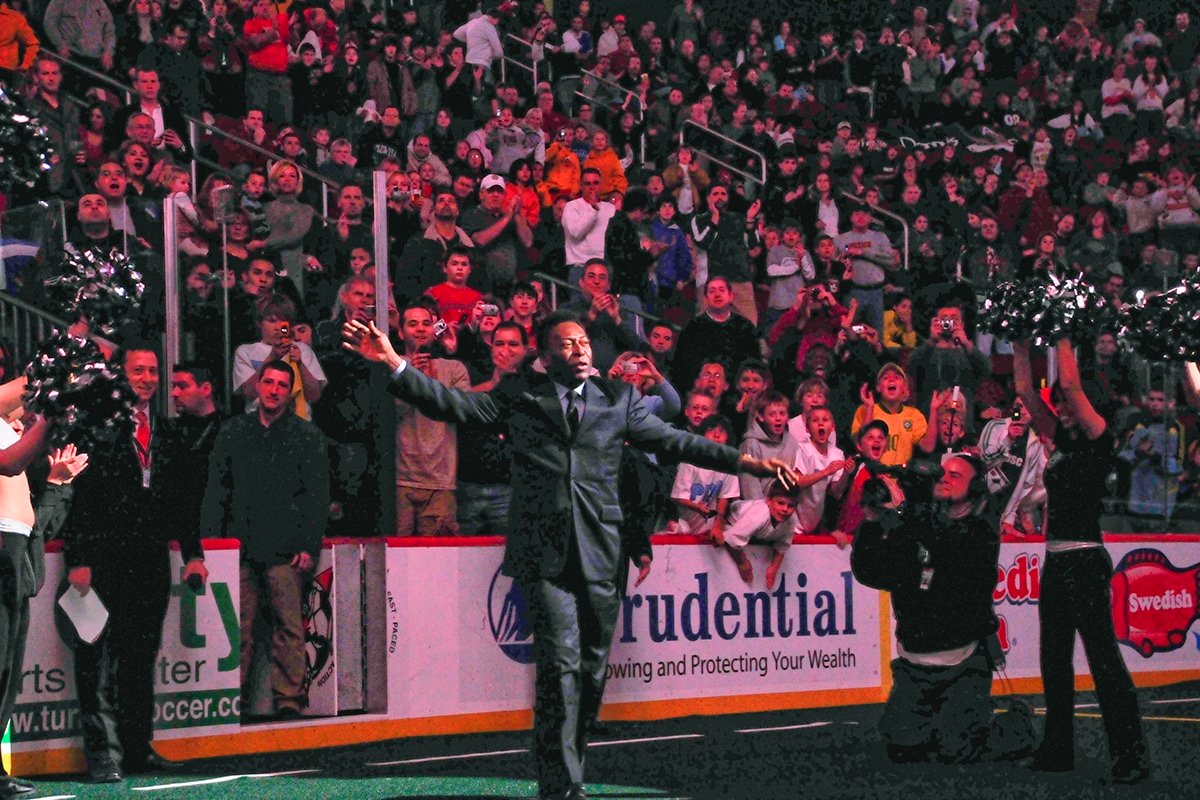
The world’s greatest player, a three-time World Cup champion, global icon and living embodiment of the beautiful game, signed with the New York Cosmos. And just like that, everything shifted.
It was not a simple signing. It was a cultural detonation. A sport long seen as foreign suddenly had a face America could not ignore. Pelé brought charisma, humility and the kind of star power that transcended sport. He did not show up to observe the future of soccer. He came to build the foundation of the sport in this country, and he did it right in the heart of New York City.
The Cosmos Revolution
The New York Cosmos were not just another team. They were a spectacle. Backed by Warner Communications, the franchise was engineered for the spotlight. Part sports team, part marketing experiment, part rock band on turf.
When Pelé put on that green and white jersey in 1975, everything changed. During his first season, the Cosmos played their home matches at Downing Stadium on Randall’s Island, a modest venue that quickly proved too small for the frenzy he created. Within two years, their soaring popularity demanded a bigger stage, and the team moved across the Hudson to the brand-new Giants Stadium in East Rutherford, New Jersey.
From there, the Cosmos became a phenomenon. What had once been half-empty bleachers turned into packed stadiums, with flashbulbs popping like fireworks. Giants Stadium became the place to be. Mick Jagger, Robert Redford and Henry Kissinger were among the regulars. Cosmos players rubbed shoulders with celebrities at Studio 54, then packed out stadiums the next day. For a few golden years, soccer in the New York–New Jersey metro area was the most glamorous ticket in all of American sports.
The team was not just international on the roster (featuring global stars such as Franz Beckenbauer, Carlos Alberto and Giorgio Chinaglia), it was international in spirit. The Cosmos turned the world’s game into America’s newest obsession.
Pelé: The Bridge Between Worlds
Pelé was not merely a player, e was an ambassador. His smile alone could soften skeptics, and his play reminded everyone why soccer was called the beautiful game. Every match felt like a masterclass. Not just in skill, but in storytelling.
The Brazilian legend brought humanity to a sport that Americans barely understood. He hugged opposing players, signed autographs for hours and always played with pure joy. Kids across the country could be seen kicking soccer balls in cul-de-sacs, wearing Cosmos shirts and pretending they were Pelé.
His influence was immediate, but his legacy ran much deeper. Youth soccer participation soared. And television networks took notice. The world’s game finally had American roots, and it all started with one man’s decision to cross to make the move to the Cosmos.
When Soccer Met Pop Culture
By the late 1970s, the Cosmos had become a full-blown phenomenon. They sold out stadiums with 70,000+ fans, appeared on late-night TV and even released an album. Their matches blended sports, music and fashion. Part athletic event, part celebrity hangout. They was soccer with swagger.
The Cosmos gave America its first taste of what global football fandom felt like. The chants, the pageantry, the sense of community. They did not just introduce a sport, they introduced an entire culture.
For a moment, the Cosmos were the team. Bigger than some NFL franchises, cooler than the Yankees and as much a part of New York’s identity as disco and the Empire State Building.
The Rise, the Fall and the Ripple Effect
Like many revolutionary ideas, the Cosmos burned bright, and fast. As Pelé retired, so did the league’s stability. The North American Soccer League expanded too quickly, spent too freely and eventually collapsed under its own weight.
But the flame it lit never went out.
Pelé and the Cosmos planted seeds that would grow into youth leagues, World Cups on American soil and eventually a thriving Major League Soccer decades later. They did not just change the sport, they changed perception. They proved that Americans could fall in love with soccer.
Legacy That Outlasted the Lights
Today, you can trace almost every American soccer success story, from the U.S. Women’s National Team to Lionel Messi’s arrival in MLS, back to Pelé’s New York experiment. It was proof that sports are bigger than wins and losses. Rather , they are cultural currency.
The Cosmos turned soccer into more than a game. They turned it into a movement, one that made the world feel a little smaller, and New York a little bigger.
Lessons for Modern Brands
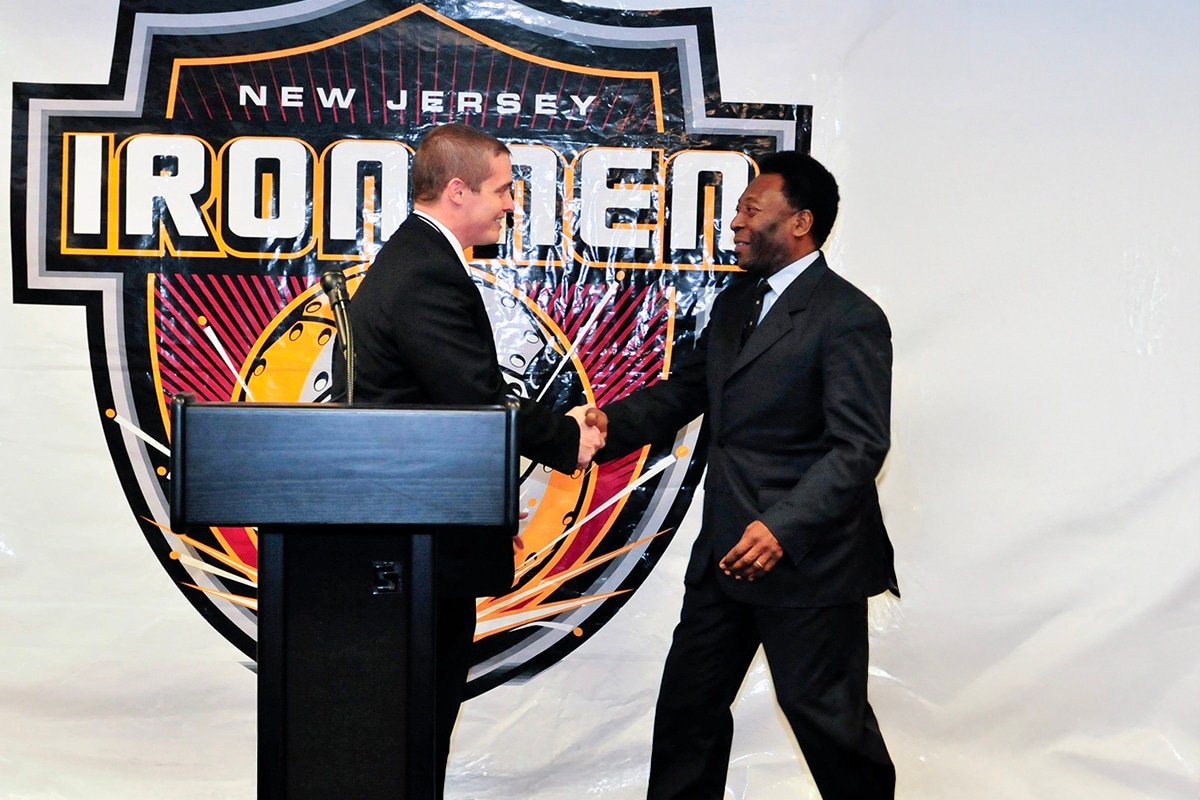
The story of Pelé and the Cosmos is not just sports history, it is marketing genius. They harnessed storytelling, emotion and spectacle to turn something niche into something magnetic. They understood that the right partnership can redefine a brand, or even an entire industry.
At Resolution Promotions, we live for that kind of transformation. Whether it is helping a local business capture attention or building a digital campaign that shifts perception, we believe in moments that move culture. Because sometimes, all it takes is one bold move (one “Pelé moment”) to change everything.